

02 Sep Strategies for choosing the best casino games to play
The Allure of Gambling: Understanding Human Motivation
The psychology behind why individuals are drawn to casino games is rooted in a complex interplay of desire, risk, and reward. Humans have an innate curiosity, often seeking experiences that evoke strong emotions. Gambling serves as an exhilarating outlet for this curiosity, providing a thrill that is hard to resist. For those interested in exploring their options, online casino nz offers various games that can trigger the release of dopamine in the brain, creating pleasurable sensations that reinforce the desire to gamble. This physiological response is akin to what one experiences with other forms of entertainment, rendering gambling particularly enticing.
Moreover, the social dimension of gambling is a significant factor that contributes to its allure. Many people are attracted to the communal atmosphere of casinos, where they can interact with others who share similar interests. The excitement and competition in these environments foster a sense of belonging, amplifying the enjoyment found in games. This social stimulation is particularly pronounced in multiplayer settings, such as poker or blackjack, where strategy and player interaction are integral. The combination of camaraderie and competition enhances the overall gambling experience, making it more appealing than solitary activities.
Lastly, escapism plays a crucial role in the appeal of casino games. Many individuals turn to gambling as a means of escaping their daily routines, stressors, or challenging life circumstances. The immersive environments created by casinos, characterized by dazzling lights and lively sounds, allow players to temporarily forget their worries. This aspect of escapism fosters a deeper emotional connection to the activities, which can lead to habitual gambling behavior if not moderated. Understanding this psychological mechanism is essential for both players and operators to ensure a balanced approach to gambling.
The Role of Chance and Luck in Gambling Psychology
Chance and luck are fundamental components of casino games, profoundly influencing players’ psychological experiences. Gamblers often subscribe to the belief in ‘hot’ and ‘cold’ streaks, perceiving that certain machines or tables may be luckier during specific times. This cognitive bias encourages players to chase their losses or continue playing in hopes of a fortunate turnaround, a phenomenon known as the ‘gambler’s fallacy.’ Understanding this fallacy is crucial to comprehend why players may not always make rational decisions based on probabilities, often leading them to engage in behaviors that are counterproductive to their financial health.
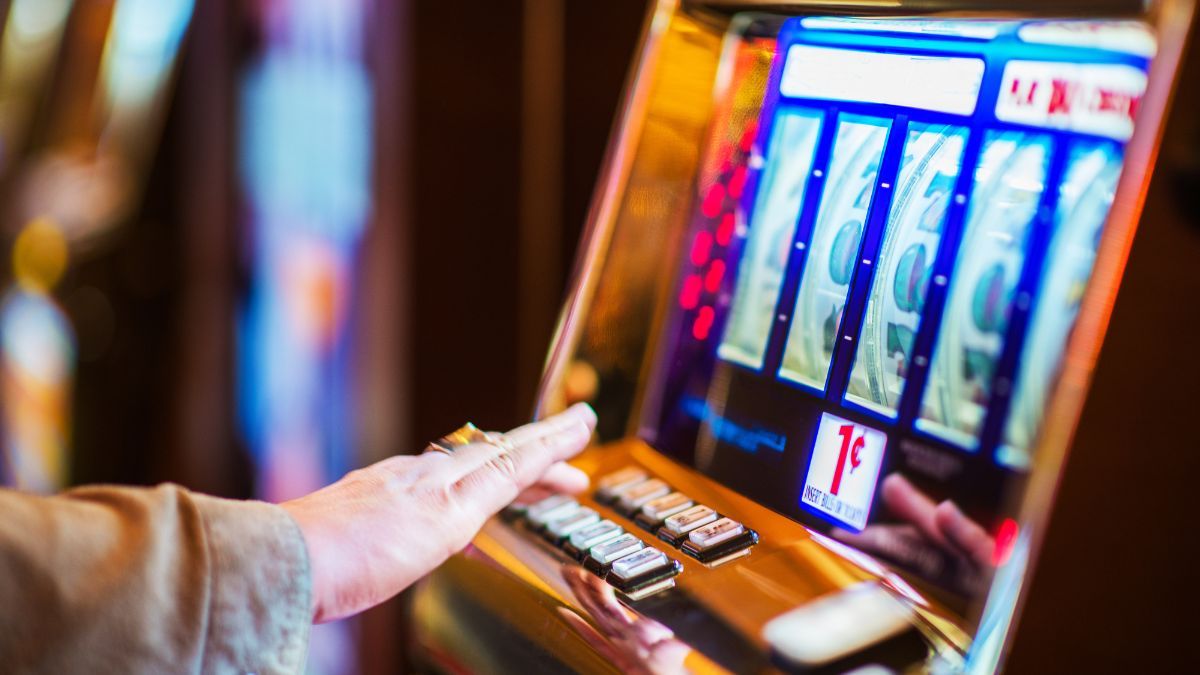
The design of casino games also plays a significant psychological role in promoting sustained engagement. For instance, slot machines are meticulously engineered with variable reinforcement schedules, meaning that players receive unpredictable payouts at random intervals. This unpredictability keeps players on edge, eager to see what will happen next, mimicking the thrill of a lottery. The ‘near-miss’ effect—when a player comes close to winning but ultimately does not—can heighten the desire to keep playing, as it fuels the belief that a big win is just around the corner. This design strategy exploits psychological principles to maintain player interest and increase the likelihood of continued play.
Furthermore, the concept of ‘loss aversion’ significantly impacts gambling behavior. Studies show that individuals often prefer avoiding losses to acquiring equivalent gains. In the realm of gambling, this leads many to continue playing in an attempt to recover their earlier losses, frequently resulting in deeper financial troubles. This behavioral phenomenon underlines the importance of self-awareness and control in gambling, as it can easily spiral into an addictive pattern if not managed properly. Recognizing these psychological tendencies can help players make more informed choices and mitigate the risks associated with gambling.
The Impact of Environment on Gambling Behavior
The environment of a casino plays a pivotal role in shaping players’ experiences and decisions. Casinos are meticulously designed to create an ambiance that stimulates the senses and encourages prolonged engagement. The use of vibrant colors, captivating sounds, and even specific scents are all part of a strategy to enhance the sensory experience, making it challenging for players to resist. This carefully curated atmosphere is not merely aesthetic; it serves as a strategic effort to keep players engaged and positively influence their behavior towards spending more time and money at the tables.
Additionally, the physical layout of a casino is critical in guiding player behavior. The placement of games, lighting, and the flow of foot traffic are strategically arranged to create a seamless experience, allowing players to transition effortlessly from one game to another. The absence of windows and clocks in most casinos is intentional, as it removes any awareness of time, causing individuals to lose track of how long they have been playing. This environment can lead to impulsive decisions and an increased likelihood of gambling beyond one’s means, emphasizing the need to recognize environmental cues and their psychological effects.
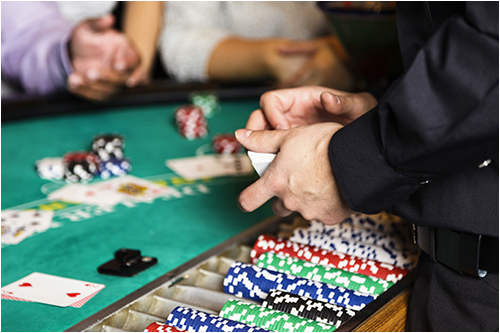
Beyond the physical setting, the presence of staff and interaction among players can significantly influence gambling psychology. Friendly dealers and attentive staff create a welcoming atmosphere that encourages players to remain longer. Engaging social interactions with fellow gamblers can enhance the enjoyment of the experience, fostering a desire to participate in more games. This social reinforcement contributes to the perception of gambling as a communal and entertaining activity, rather than merely a solitary endeavor, further encouraging continued participation and investment in the gaming experience.
Game Design and Its Psychological Implications
The design of casino games incorporates a variety of psychological principles to keep players engaged and invested. Game mechanics, including achievements, levels, and rewards, reflect principles found in behavioral psychology. For instance, many games reward players for small achievements, which reinforces the behavior of continued play. This principle, known as operant conditioning, suggests that when players experience rewards, they are more likely to repeat those behaviors, linking enjoyment with future gambling activities. This psychological reinforcement is a powerful tool used by game developers to enhance player retention.
Moreover, themes and narratives within games can significantly enhance players’ emotional investment. Games featuring immersive storylines or appealing graphics attract players on a deeper emotional level, increasing the likelihood that they will spend time and money to experience the unfolding narrative. This emotional connection can create a sense of urgency, compelling players to continue playing to see how the story progresses. Such dynamics illustrate how psychological factors can manipulate player behavior within a gaming context, emphasizing the importance of thoughtful game design.
Recent technological advancements in game design, such as virtual and augmented reality, have further transformed the gambling experience. These innovations enable players to engage in interactive scenarios, enhancing the immersive quality of the game. The psychological implications of such immersion are profound, as players may find it challenging to detach from the experience, leading to extended gambling sessions. This highlights the critical need to understand the impact of sophisticated game design on player psychology and the potential consequences of increased engagement and immersion in gambling activities.
Understanding Responsible Gaming and Resources
Given the psychological allure of casino games can lead to problematic behaviors, it is essential to promote responsible gaming practices. Awareness and education about the psychological aspects of gambling empower players to make informed decisions. Many gaming establishments now encourage responsible gaming through tools such as self-exclusion options, deposit limits, and access to resources that provide support and education on the risks associated with gambling. These measures aim to mitigate the potential negative consequences of gambling behaviors, fostering a safer gaming environment for all participants.
Additionally, enhancing financial literacy around gambling is vital. Educating players about the odds of various games and the long-term implications of gambling can enable them to approach gaming with a more balanced mindset. Understanding that the house always holds an advantage can help players make more informed choices, reducing the chances of engaging in reckless behavior. Encouraging players to perceive gambling as a form of entertainment rather than a method for income is crucial in fostering a healthier gaming environment.
In conclusion, recognizing and addressing the psychological aspects of gambling is vital for individuals, gaming establishments, and the broader community. By prioritizing responsible gaming and providing access to resources, we can cultivate a culture where enjoyment and entertainment are balanced with self-awareness and moderation. Understanding the complexities of human psychology in the context of gambling can ultimately lead to a more informed and responsible approach to gaming overall, fostering a healthier relationship with this form of entertainment.